


Coastal Fertility Medical Center
Bringing New Life to Orange County since 1982
Welcome to Coastal Fertility Medical Center conveniently located in Orange County, Southern California (Irvine, CA). Since 1982, we've worked with couples through the heartbreak of infertility diagnosis to hopeful and positive outcomes with treatment options such as, IVF, ICSI, Intrauterine Insemination (IUI) and many more. With over 3,000 babies since 1982 our record speaks for itself, but there's more to a treatment plan than just the numbers; there are the equally important elements of compassion and understanding. And although our fertility doctors are nationally recognized for their breakthrough achievements, their most important concern is your health, your hopes, your baby. Schedule an appointment and plan your journey to parenthood- We'd love to hear from you!
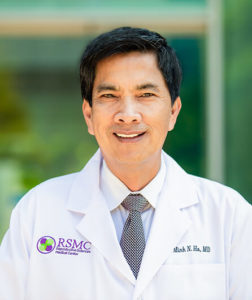
Dr. Minh N. Ho, F.A.C.O.G
Medical Director
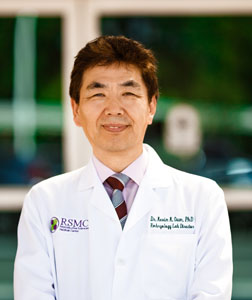
Dr. Kevin Oum, HCLD/CC, EMB
Laboratory Director
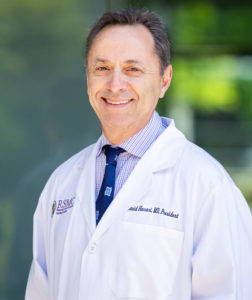
Dr. David Harari, OB/GYN
Specialized in IVF and Surrogacy Process
Beginning the journey to parenthood is exciting, and choosing which fertility clinic to partner with is one of the most crucial decisions you will have to make. We know you have got a lot of options when it comes to selecting the clinic to begin your treatment with. At Coastal, we offer a free 15-minute consultation to have the chance to get to know us better and feel secure that we are the best fertility clinic for your parenthood journey.
Our programs are highly affordable and centered on customized care – from creating a personalized treatment protocol with your doctor guiding you through the process to 100% transparency regarding the treatment costs. This is why we are convinced that we can provide our clients with the best possible care for an excellent price.

We know that every situation is different and that everyone requires different treatments. Unlike facilities that take “a one-size-fits-all” approach for all cases, our fertility specialists use more than 40 customized protocols to raise...

Our team specializes in difficult cases and help patients who may have been considered “hopeless” at other fertility clinics. Thanks to our personalized solutions, expertise, and internal collaboration, weare able to maximize pregnancy...

Our globally respected team of specialists are helping improve IVF technologies to enter into a generation of better outcomes for infertility. Although you’ll have a doctor guiding you, you are also going to benefit from the experience ...

Our fertility clinic focuses on helping you build your family regardless of your sexual orientation or the gender you choose to identify with. We are even taking further steps to make LGTB people feel more welcome at our fertility clinic. Each of our...

Coastal Fertility Medical Center offers one of the most affordable fertility treatments and is completely transparent regarding the costs of procedures and any other expenses that you may have to pay before commencing your treatment....

The infertility industry is currently segmented, with each service or treatment being handled by a different provider. Our all-inclusive model simplifies an otherwise complex and difficult process. We are here to revolutionize the infertility...

“Like Us” on Facebook
Get the latest from Coastal Fertility!
Like us to get photos, news and other updates about our fertility center, infertility treatments, ivf success rates, infertility doctors and more.

International Patients
We Speak Your Language
Our caring staff speaks English, Spanish, German, French, Vietnamese & Farsi.

Priceless dreams
Making IVF costs affordable.








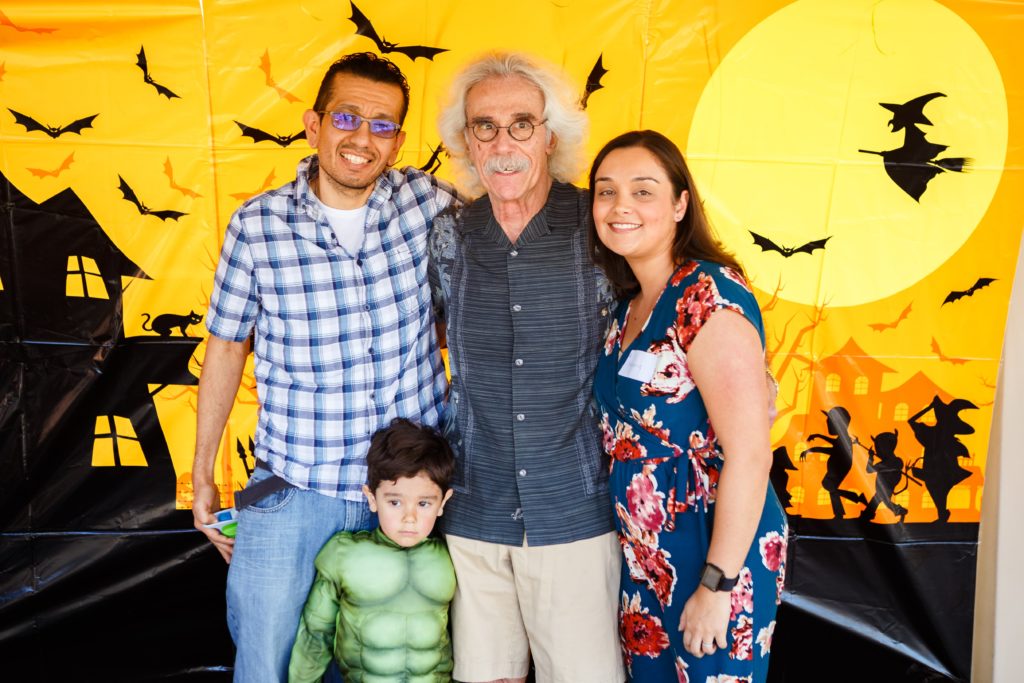
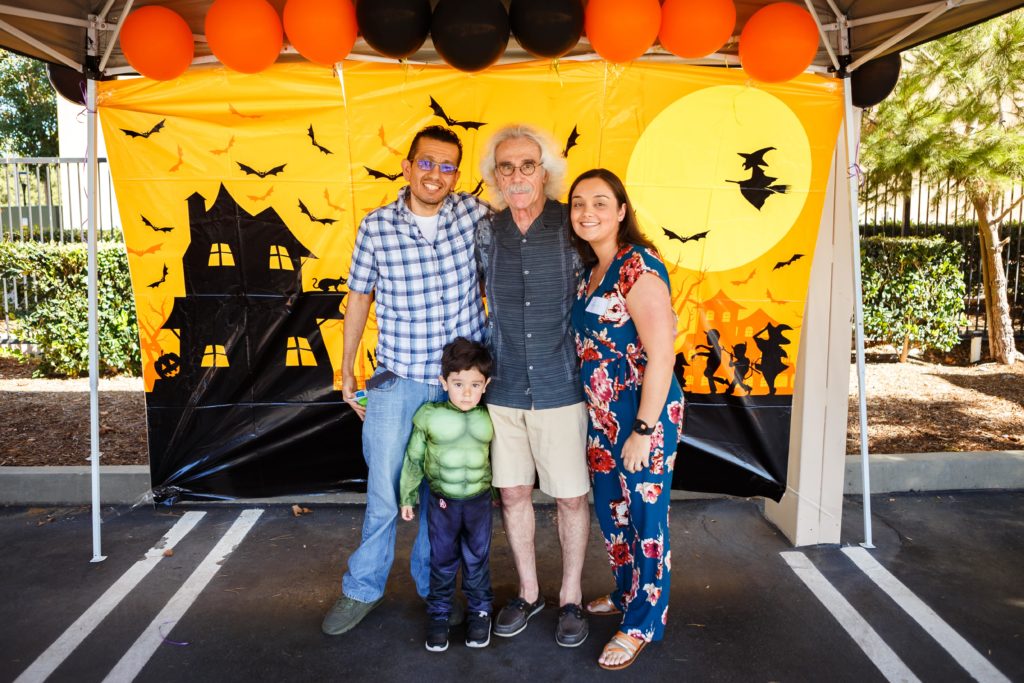
Halloween 2019
Each year, Coastal Fertility Medical Center’s staff hosts a fun get together for our former patients and their families. View more photos from our 28th annual Miracle Babies Halloween event!




Tour Our Irvine, CA Fertility Center
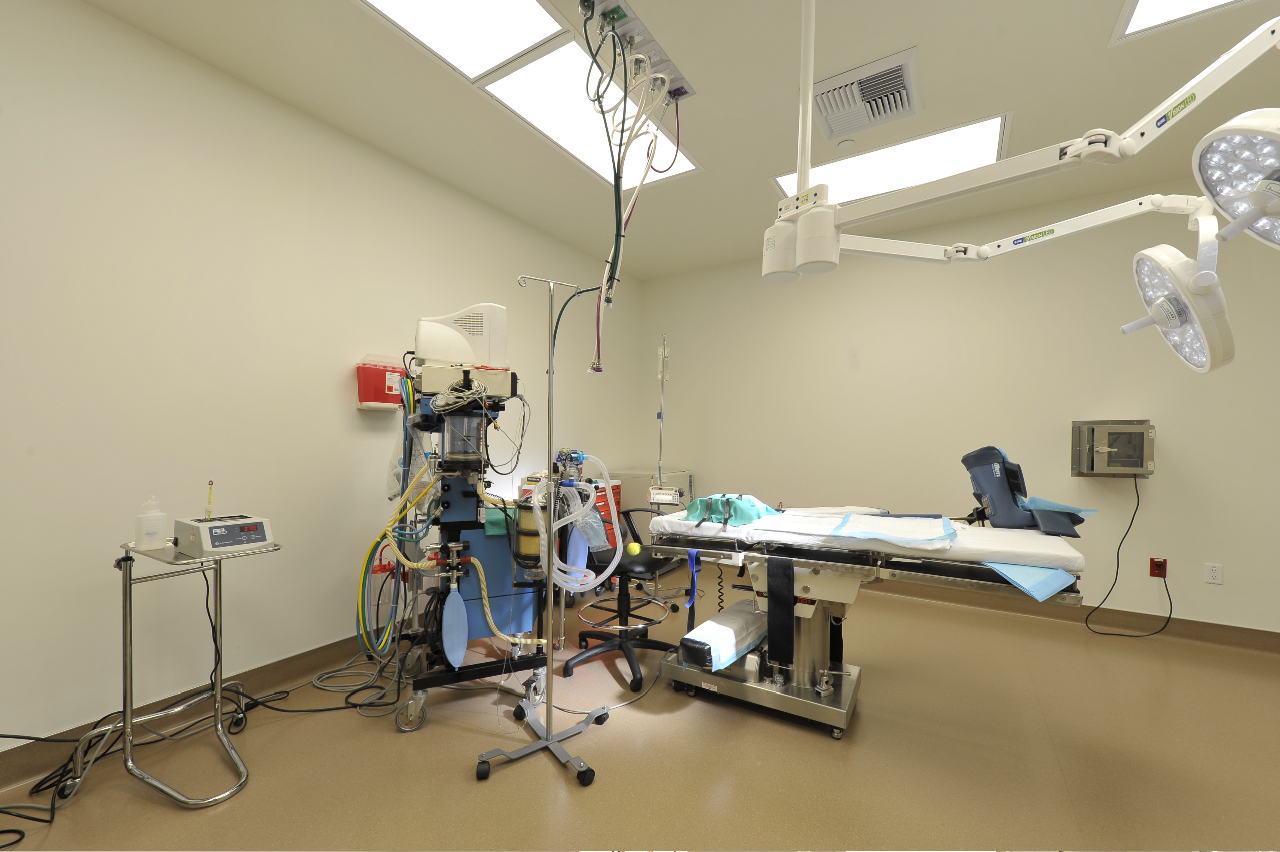
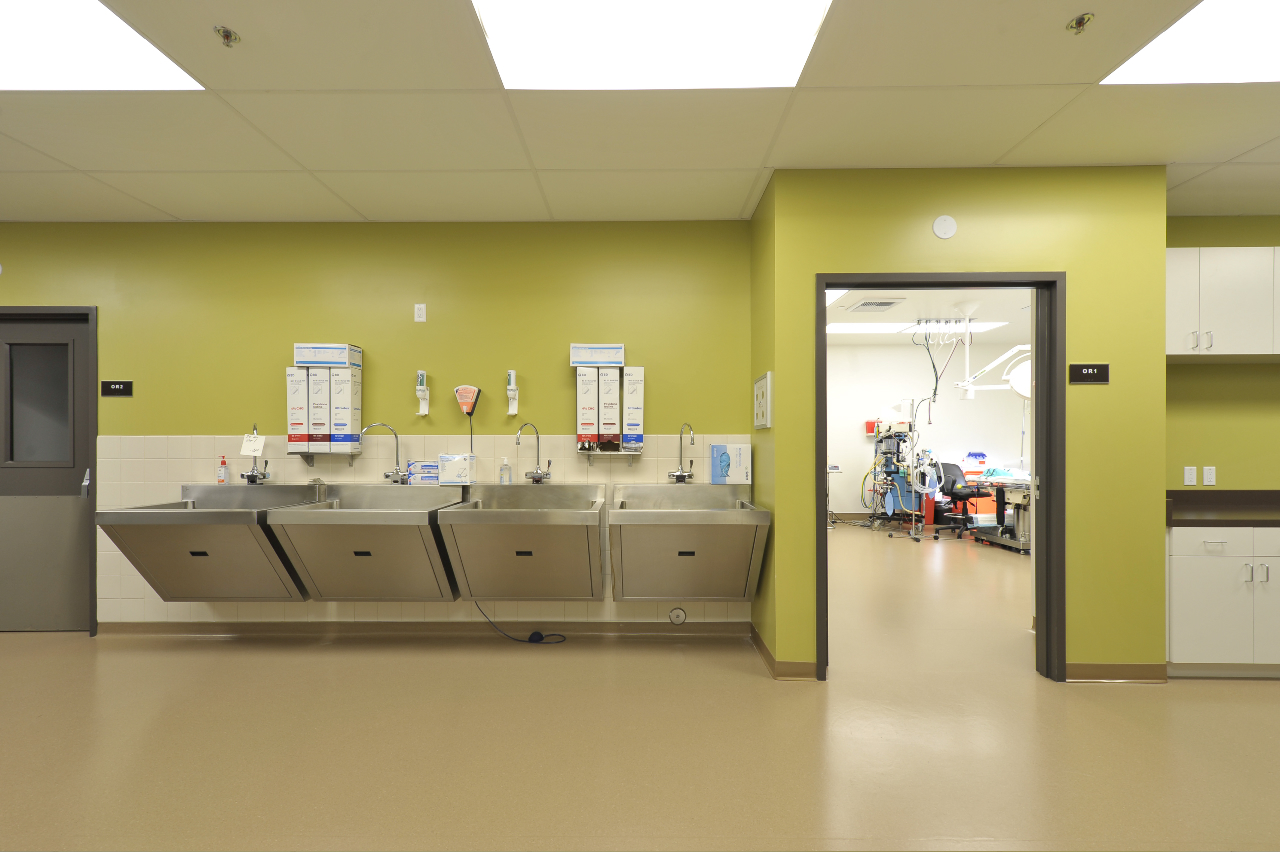
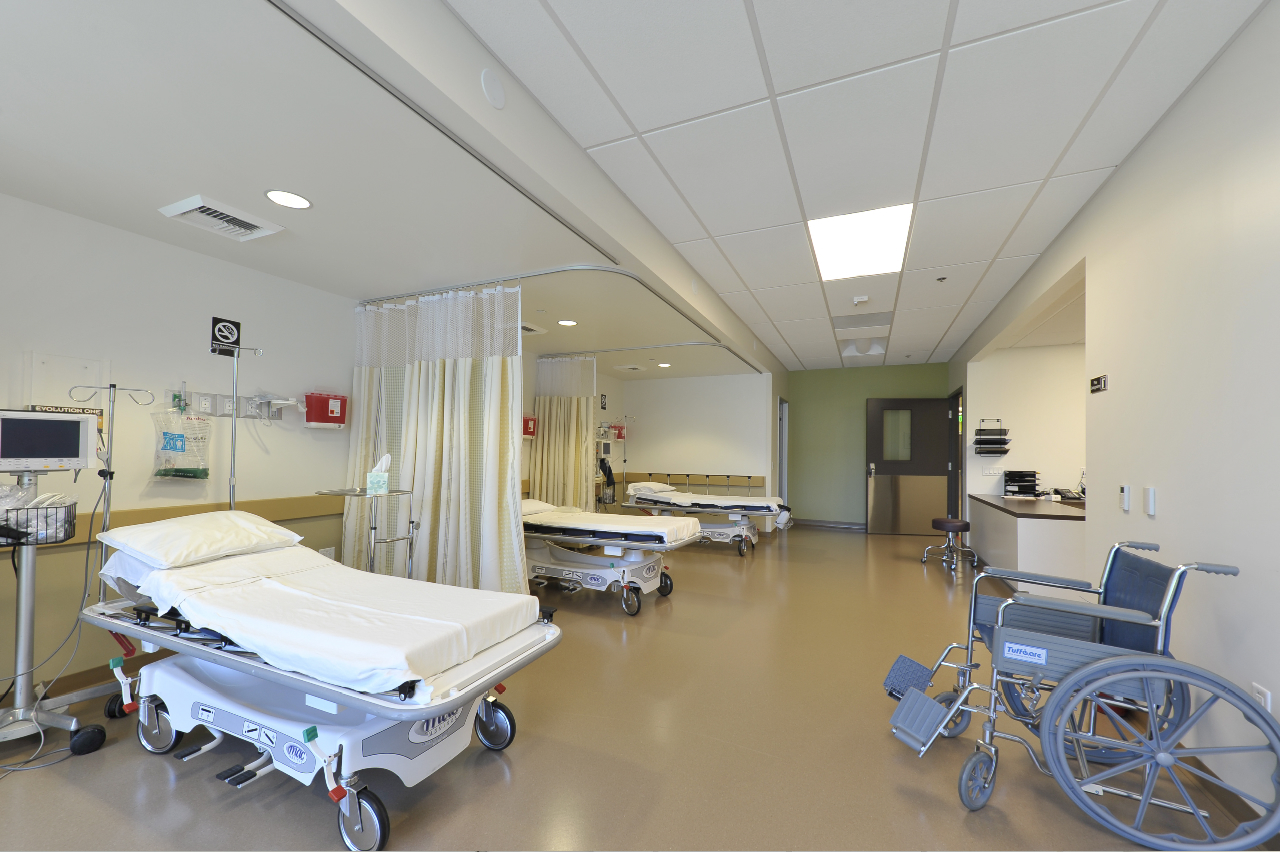
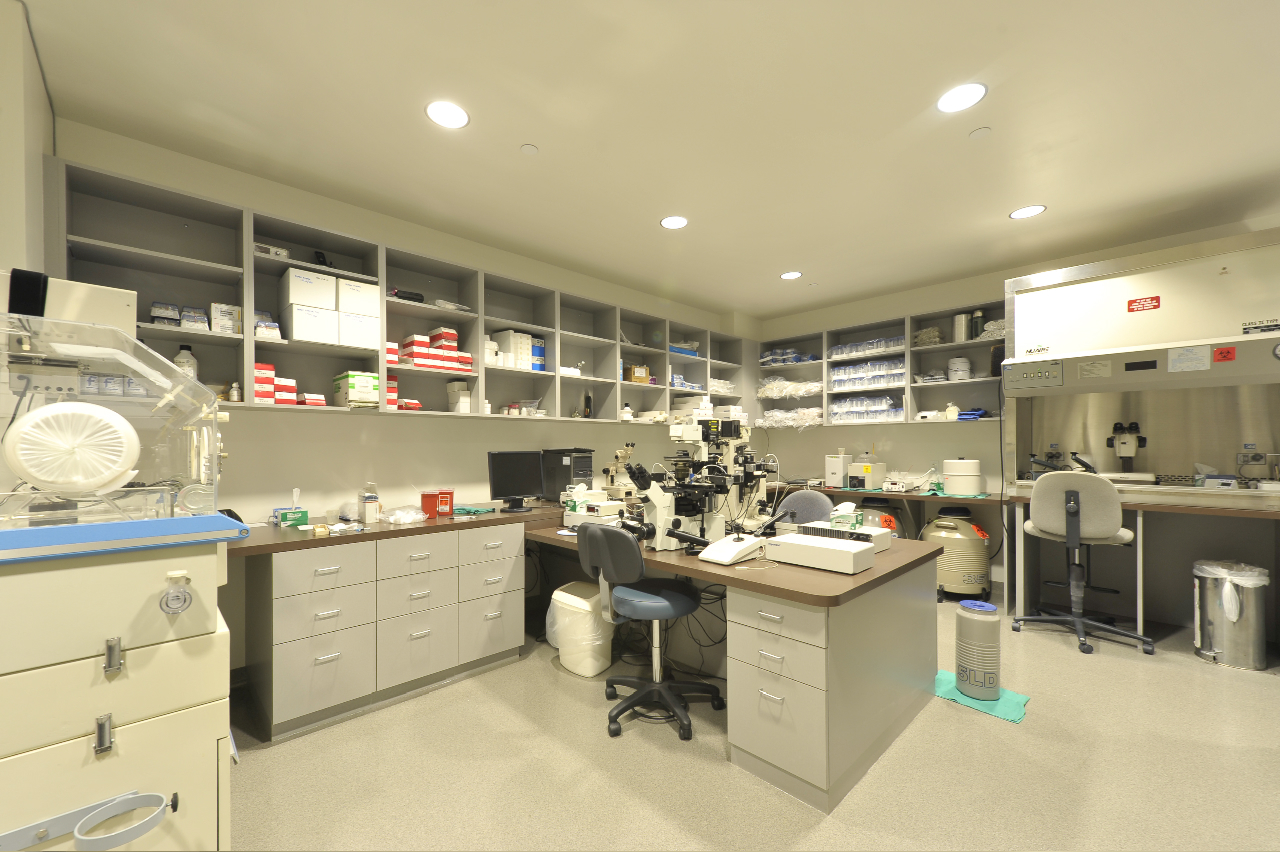
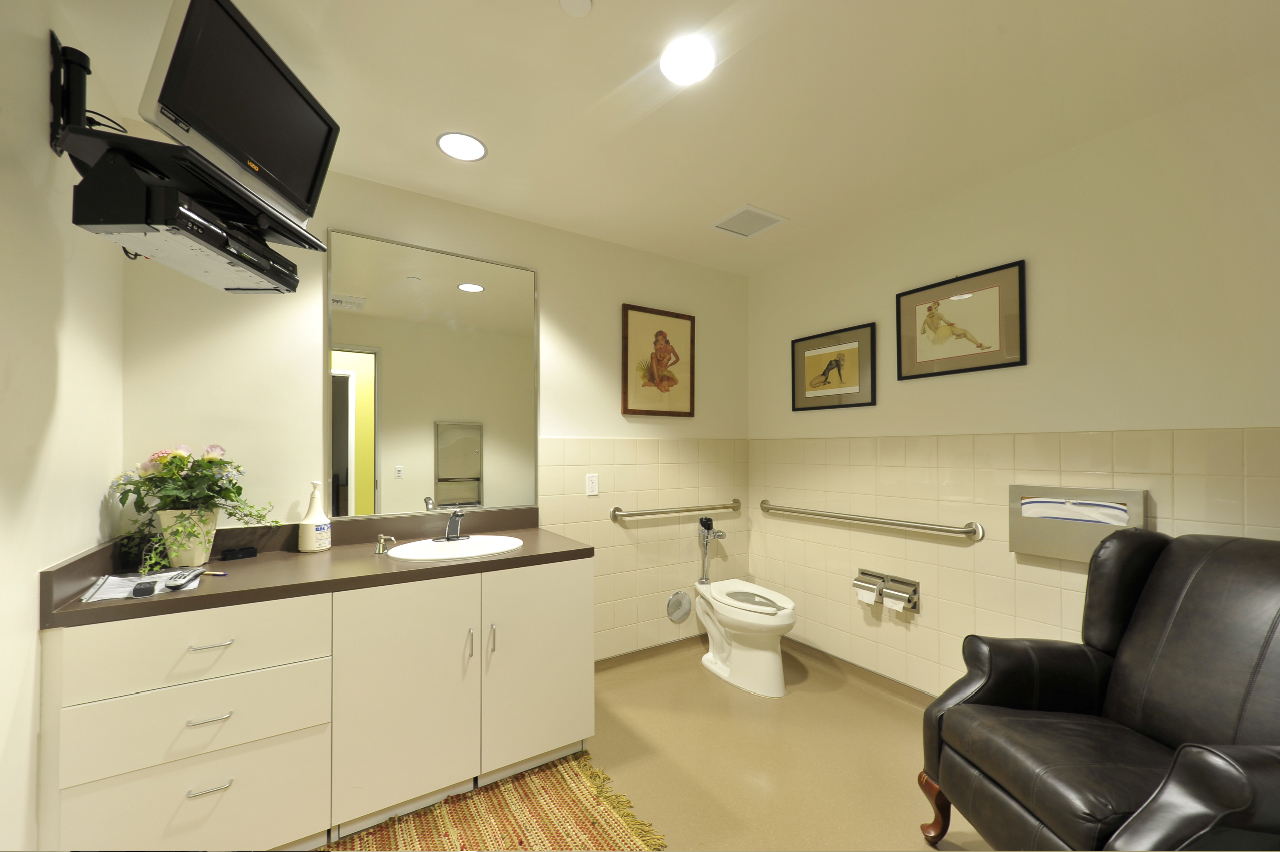
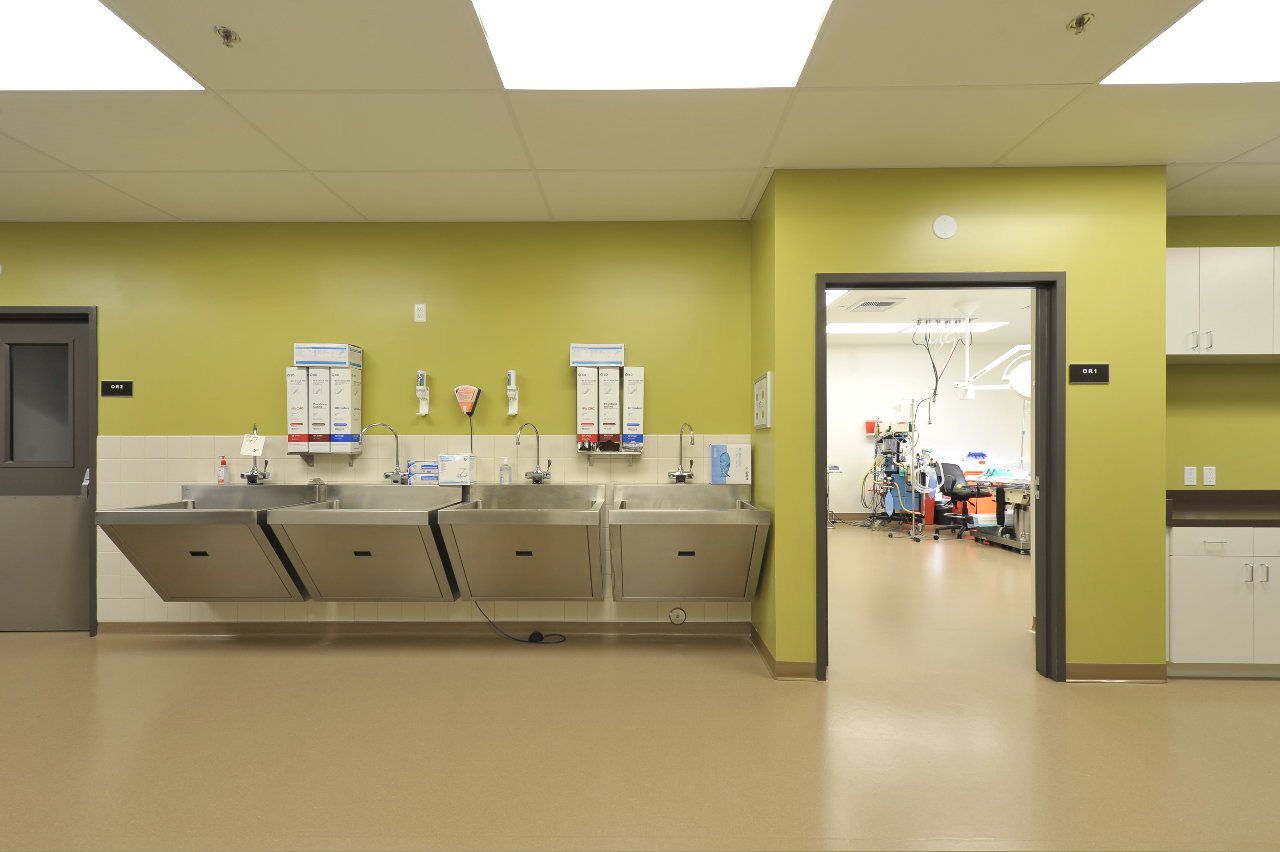
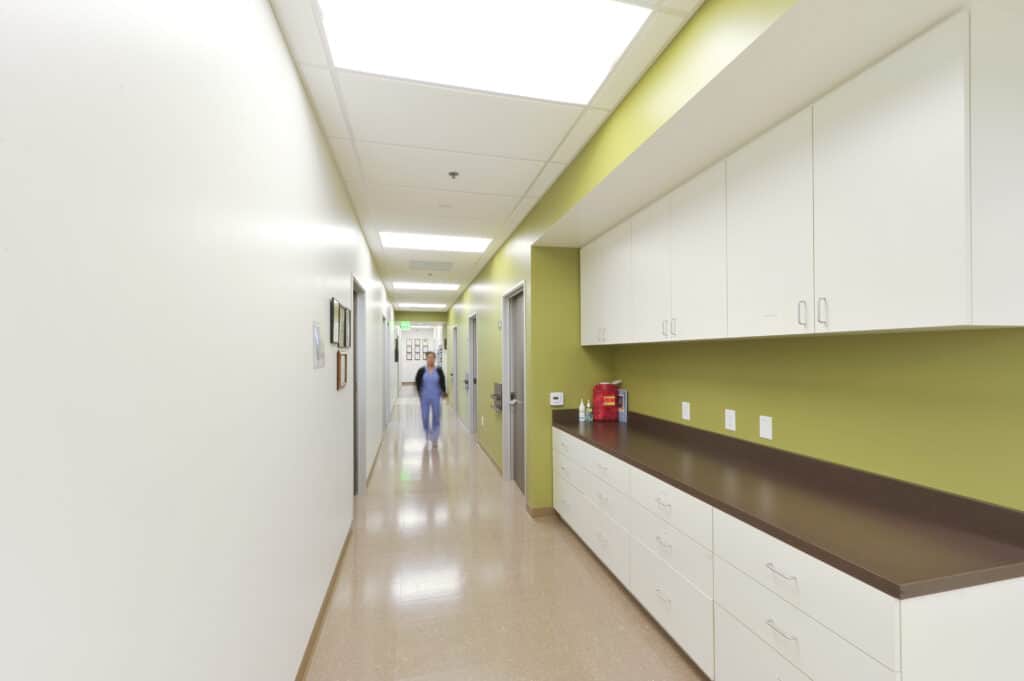
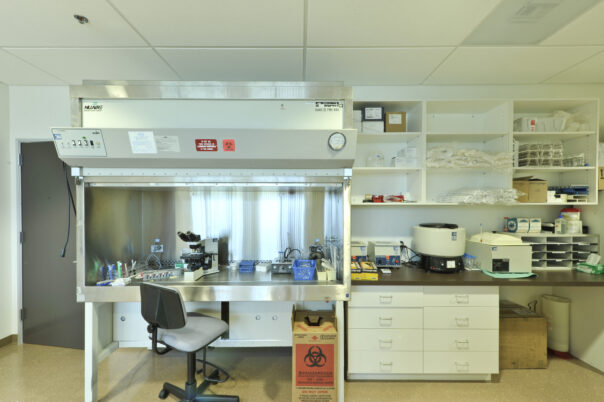
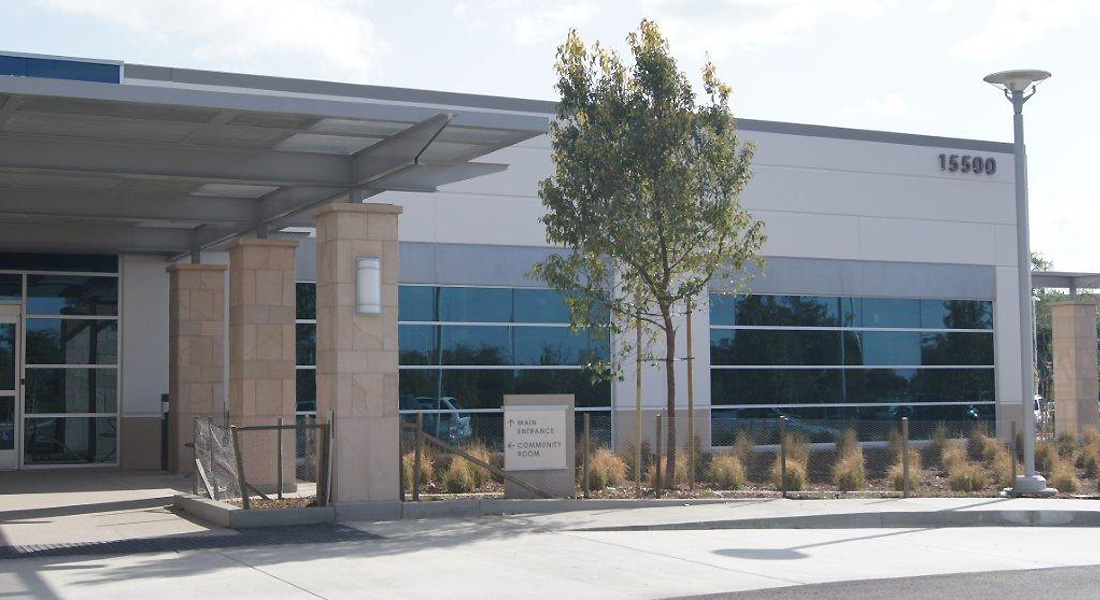
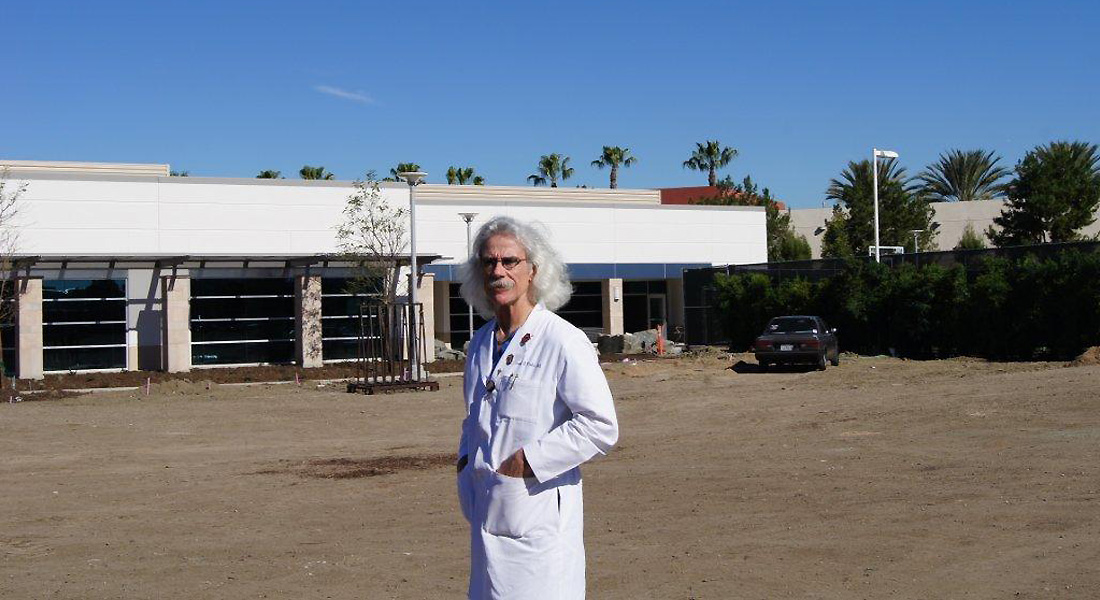
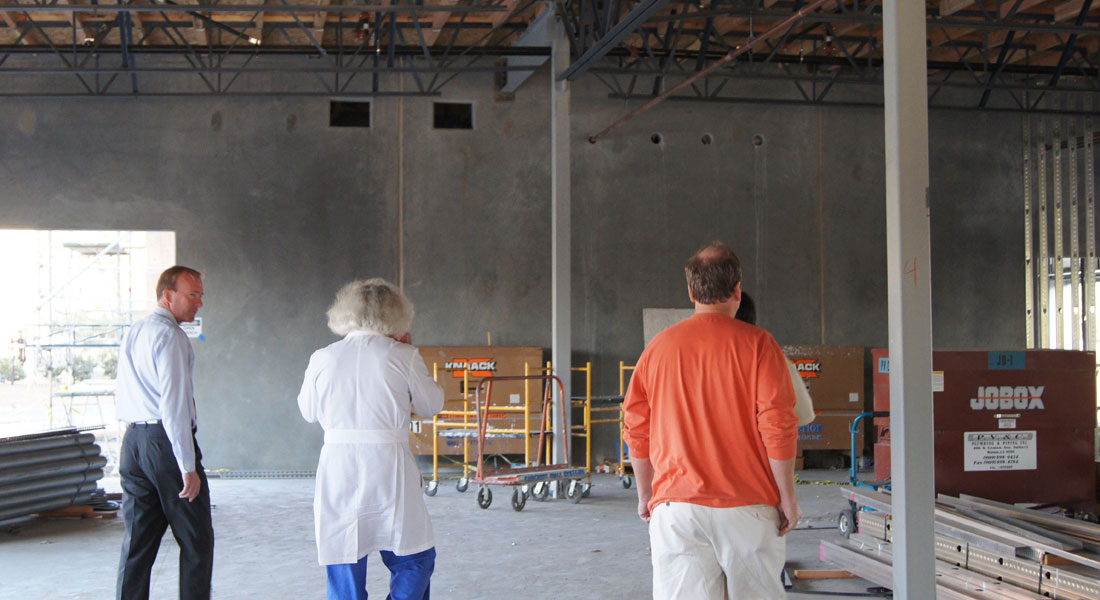
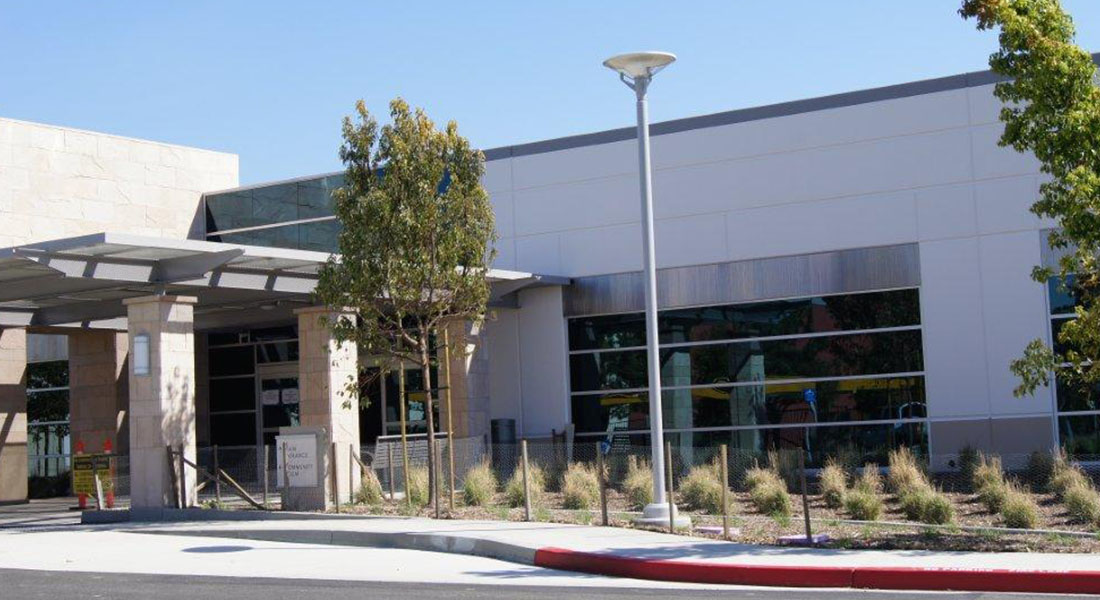
Take a virtual tour of our extraordinary fertility clinic located in Southern California. Our state-of-the-art factility spans 10,000 square feet, and offers patients the latest in fertility technology.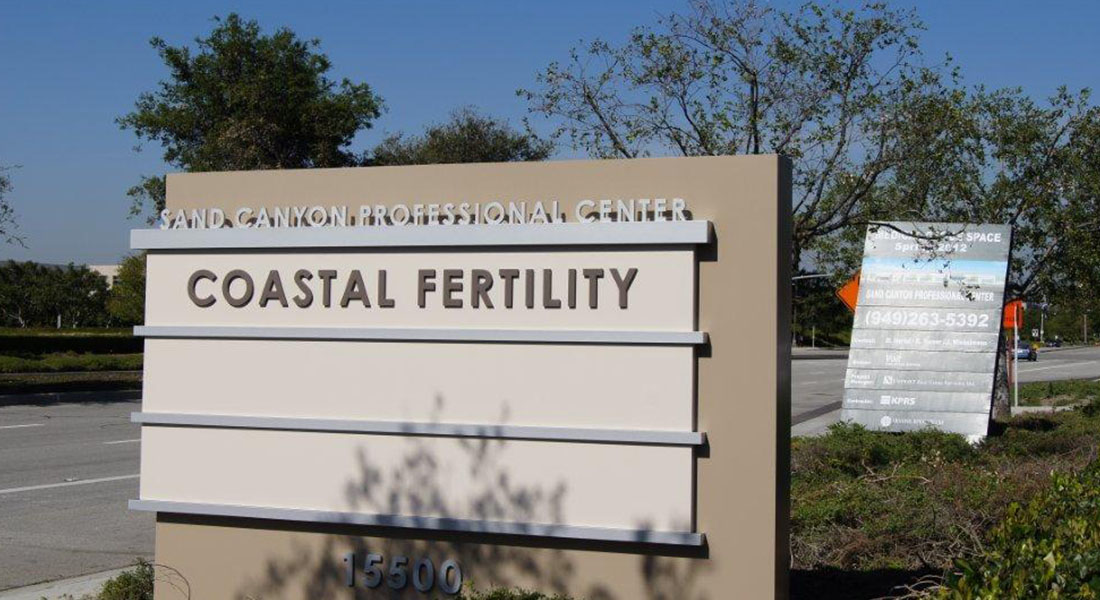

















Coastal Fertility Babies

Elliot Anne

Ella

Miles
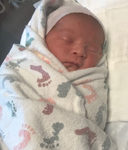
Raymond

Call (949) 726-0600


Coastal Fertility Medical Center offers one of the most affordable fertility treatments and is completely transparent regarding the costs of procedures and any other expenses that you may have to pay before commencing your treatment. This differentiates us from some fertility clinics that reduce prices before the signing of the contract but charge you extra later on. We make sure our patients are well aware of any possible extra pricing that may occur over the course of their treatment.

Following the Preimplantation Genetic Screening process, which helps ensure there are normal chromosome numbers and detects possible genetic disorders, the most healthy embryo(s) are selected to be implanted into your or your chosen surrogate’s womb. 2 weeks after the transfer of the embryo, your physician will conduct a final blood test to determine the level of hCG (human chorionic gonadotropin) in your body. Increased hCG levels usually indicate a positive pregnancy test.

For fertilization to take place, the collected egg and sperm are combined in a petri dish and cultured in an embryo incubator. This dish is closely watched to check whether any of the eggs have been fertilized. Once the egg is fertilized, it is referred to as an embryo or a blastocyst on the 5th day of development. Our in-house embryologist carefully nurtures every embryo to the right time, even if it means working outside the standard business operating hours. For instance: If an oocyte is not mature, our laboratory will wait for it to mature and then ICSI it at the right time.

The egg retrieval is a slightly invasive medical procedure that takes about 20 to 30 minutes. You will be given an anesthetic to make you sleep for the duration of the procedure. Using ultrasound technology, your doctor will harvest your eggs transvaginally with a small, hollow needle connected to an ultrasound probe. Once your eggs are collected, your partner’s semen or donor sperm you have pre-selected is used for fertilization. The sperm are washed and prepared, and the top-quality sperm extracted is used to fertilize the eggs.

Your doctor will create a customized medication schedule that contains information about the fertility medications and hormone injections you have to take. Medication and injections are taken to encourage your ovaries to mature a large number of eggs for fertilization. Since women don’t respond to fertility drugs and hormones the same way, personalized protocols are crucial to the IVF cycle success. At Coastal Fertility, we will monitor you closely, letting you understand the changes occurring in your body and keeping track of how your egg follicles are growing.

On-site consultations typicallyinclude a standard fertility evaluation, consisting of a physical examination, complementary follicular ultrasound, and testing to enable your doctor to know your present fertility status and draw up a treatment plan.

This consultation includes a detailed medical evaluation with a doctor. You and your physician will review your health records and have enough time to talk about your goals and get answers to your questions. We recommend that you jot down all your questions before the visit to allow you to make the best use of the time spent with your doctor.

Your Reproductive Endocrinologist will take all factors into consideration and create a comprehensive plan of care, otherwise known as the treatment plan. This plan will include treatment recommendations from the physician and enable your financial coordinator to make a precise quotation once you meet.
Our globally respected team of specialists are helping improve IVF technologies to enter into a generation of better outcomes for infertility. Although you’ll have a doctor guiding you, you are also going to benefit from the experience and insights of other doctors during case review collaboration meetings, which take place every week. So, you won’t just rely on the expertise of a specialist but benefit from the knowledge of many reputed fertility experts.
The infertility industry is currently segmented, with each service or treatment being handled by a different provider. Our all-inclusive model simplifies an otherwise complex and difficult process. We are here to revolutionize the infertility industry by offering a one-stop-service model to assist our patients through infertility challenges while reducing physical, emotional, and financial risks.
Our fertility clinic focuses on helping you build your family regardless of your sexual orientation or the gender you choose to identify with. We are even taking further steps to make LGTB people feel more welcome at our fertility clinic. Each of our patient-facing staff goes through LGTB training to let family-building clinicians provide necessary support and make you feel highly welcome.
We know that every situation is different and that everyone requires different treatments. Unlike facilities that take “a one-size-fits-all” approach for all cases, our fertility specialists use more than 40 customized protocols to raise the chances of success. The customized approach even extends to our fertility laboratory. Our on-site lab director and his highly-experienced team nurture every embryo and egg to increase the odds of success of each cycle.
Our team specializes in difficult cases and help patients who may have been considered “hopeless” at other fertility clinics. Thanks to our personalized solutions, expertise, and internal collaboration, weare able to maximize pregnancy success rates that are well above the industry average, even in difficult infertility cases.
Upon your arrival, you will check in with a Patient Care Coordinator. We will obtain your insurance information for benefits verification, a copy of your identification and take a picture for your electronic medical chart
