Best Fertility Center in Orange County, CA – Coastal Fertility






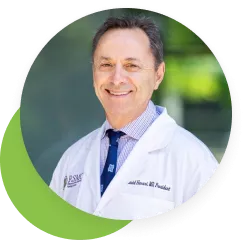


Dr. David Harari, M.D.
President, Chief Medical Officer
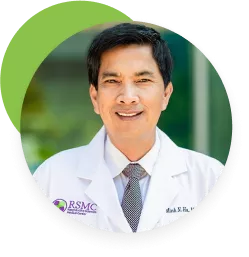
Dr. Minh N. Ho, M.D., F.A.C.O.G.
Medical Director, Reproductive Endocrinologist
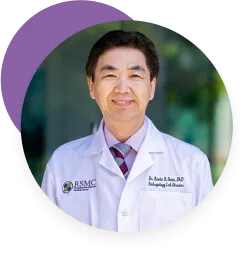
Dr. Kevin K. Oum, Ph.D., HCLD/CC, EMB
Laboratory Director
Dr. Kenneth VU
Reproductive Endocrinologist
Dr. Kenna Schnarr, DO, MS
Physician at Reproductive Sciences Medical Center


Personalized Fertility Care
Every patient's journey is unique, and so is our approach. Unlike facilities with a one-size-fits-all approach, our fertility specialists use more than 40 customized protocols to improve success rates. This personalized strategy extends to our state-of-the-art fertility laboratory , where...

Expertise in Difficult Cases
Many patients come to us after being turned away by other clinics. We specialize in difficult infertility cases, helping those who may have been considered "hopeless" elsewhere. We consistently achieve IVF cycle success rates well above the industry average

Superior Expertise
Our globally recognized team of fertility specialists is dedicated to improving IVF technologies for better patient outcomes. At Coastal Fertility, you won't just rely on one doctor—you'll benefit from the combined knowledge of multiple experts. Our team holds case review meetings...

LGBTQ+ Friendly
At Coastal Fertility Medical Center, we welcome and support individuals of all sexual orientations and gender identities in their journey to parenthood. Our fertility specialists receive ongoing LGBTQ+ training to ensure an inclusive, compassionate, and understanding..

Financial Transparency
We believe in complete financial transparency. While some clinics offer lower initial prices only to add unexpected treatment costs later, we ensure our patients know every potential expense before beginning their treatment. There are no hidden fees or surprise charges...

A One-Stop Fertility Center
The fertility care industry is often fragmented, forcing patients to navigate multiple providers for different stages of their treatment. At Coastal Fertility, we simplify the steps to fertility by offering a complete, all-inclusive model. Our integrated services help patients...
Personalized Fertility Care
Every patient's journey is unique, and so is our approach. Unlike facilities with a one-size-fits-all approach, our fertility specialists use more than 40 customized protocols to improve success rates. This personalized strategy extends to
Expertise in Difficult Cases
Our team specializes in difficult cases and help patients who may have been considered “hopeless” at other fertility clinics. Thanks to our personalized solutions, expertise, and internal collaboration, we are able to maximize pregnancy...
Superior Expertise
Our globally recognized team of fertility specialists is dedicated to improving IVF technologies for better patient outcomes. At Coastal Fertility, you won't just rely on one doctor—you'll benefit from the combined knowledge of multiple experts. Our team holds case review meetings...
LGBTQ+ Friendly
At Coastal Fertility Medical Center, we welcome and support individuals of all sexual orientations and gender identities in their journey to parenthood. Our fertility specialists receive ongoing LGBTQ+ training to ensure an inclusive, compassionate, and understanding...
Financial Transparency
We believe in complete financial transparency. While some clinics offer lower initial prices only to add unexpected treatment costs later, we ensure our patients know every potential expense before beginning their treatment. There are no hidden fees or surprise charges...
A One-Stop Fertility Center
The fertility care industry is often fragmented, forcing patients to navigate multiple providers for different stages of their treatment. At Coastal Fertility, we simplify the steps to fertility by offering a complete, all-inclusive model. Our integrated services help patients...


Melissa L.

I can't say enough about Coastal Fertility Center. From the moment you walk in, you feel warmly welcomed. The walls are covered with photos of the many families they've helped create, and it filled me with joy. As someone dedicated to helping others, I was thrilled to find a place where I could contribute even more by donating. The donation process was so easy, and the staff answered every question, no matter how small. They made me feel supported every step of the way. I highly recommend Coastal Fertility Center for both donors and those seeking to grow their families!
Alice L.
I've been a long-time patient of Coastal Fertility and want to share my experience with IVF. It's important to know that IVF isn't easy, and success can take time, as every journey is unique. Coastal Fertility helped me stay positive and diligent throughout the process. After feeling uncomfortable at another clinic, I found Coastal's staff to be consistently welcoming and supportive, which made a huge difference. I opted for IUI and am now in my second trimester. Coastal Fertility's team is organized and professional, making the challenging process more manageable.

Alla B.
I'm thrilled to write this review while holding my baby girl, after 3 years of infertility struggles. Choosing Coastal Fertility was the best decision. The doctors are thorough, honest, and empathetic, making me feel comfortable and informed throughout the entire process. After a full IVF cycle, ERA test, and frozen transfer, we were overjoyed with the successful outcome. The entire team, from the reception to the nurses, was friendly, professional, and caring. I highly recommend Coastal Fertility!
Kel O.
Coastal Fertility Medical Center exceeded my expectations! After previously freezing eggs at another Irvine clinic, I was amazed by the superior care and personal attention I received here. The doctors are incredible, and the personal touches, like being wheeled out by the surgeon, made me feel valued, not just like a number. My nurse was patient, kind, and supportive, always ready to help with a smile, especially as I navigated this journey alone. I highly recommend Coastal Fertility for all your fertility needs!
Vic Mahillon
My wife and I feel incredibly blessed to have found Coastal Fertility. From the moment we walked in, the staff made us feel like family. They were always empathetic, patient, and ready to answer any questions, no matter how many we had. We’re now in our second trimester with twins and couldn’t be more grateful. We can’t wait to return with our babies—thank you, Coastal Fertility!
Marjorie Bradley
Coastal Fertility changed our lives. My husband and I struggled to have a baby for five years before we were referred to this practice. The people working there are so caring, supportive, and made us feel like we are in this together. I got pregnant on my second IVF attempt and gave birth to our beautiful daughter. We are very grateful to the entire CF team for this incredible addition to our family. Highly recommended.




 Make a Payment